
|
When I first told my Nonna that I was going to be a Counsellor, I was 20 years old and had just switched out of an orientation to teaching stream in university to a Psychology major. With an appalled look on her face and an emphatic inhale, she stated in her thick Italian accent “Why you wanna sit and listen to peoples’ problems?” It wasn’t a question, but rather a statement laced with judgment and condescension. My response was something along the lines of “I can’t explain it”. I suppressed my headstrong must-fight-for-what-I-believe-in feisty inner warrior and simply hugged her. 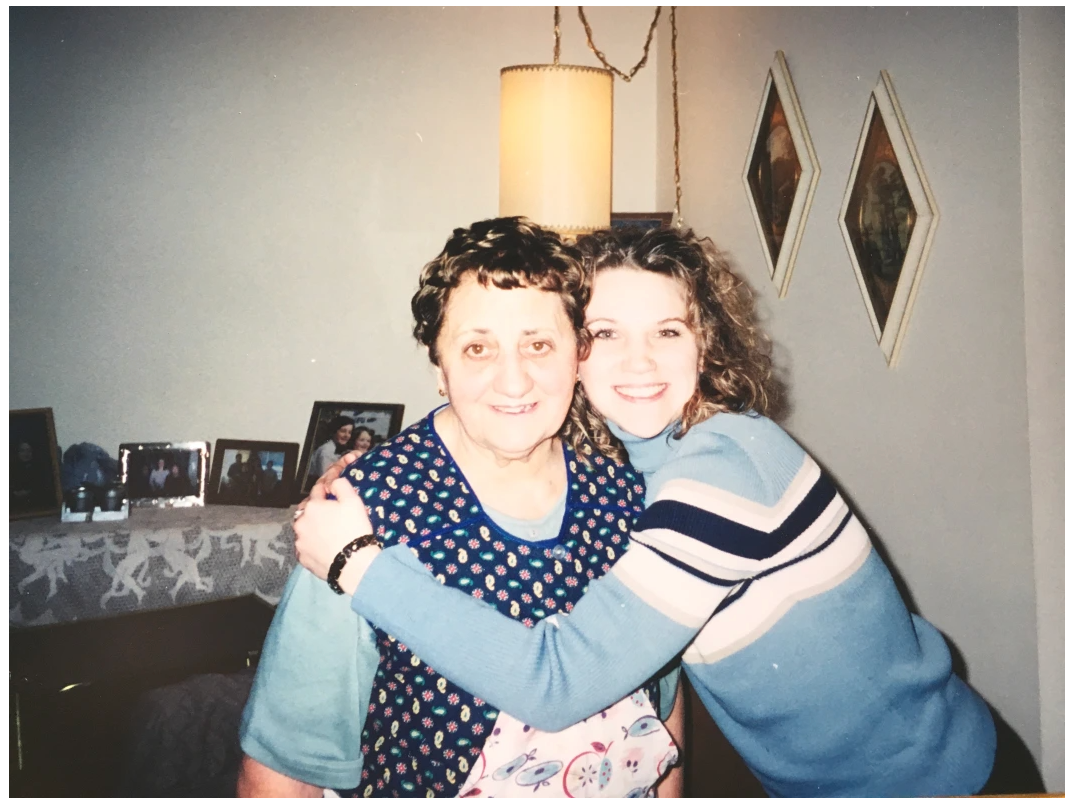 But her statement sat with me. Not because I doubted my career choice, but rather because it gave me insight into how little my Nonna understood about asking for and receiving help. Raised in a farming family by parents who lived through the depression in southern Italy, then witnessing first-hand the impacts of the second world war, asking for emotional support had never become her go-to coping strategy. For every loss she experienced, (and there were many), she donned her symbolic black clothing and shut off the hurting part of herself. It wasn’t my place to fight with her. I could only love her fully, for she was coping in the only way she knew how.
Yes, the job of a Counsellor is to listen – but it is also so much more. It is about motivating and inspiring people to be the best versions of themselves, to learn how to invite in the change they are so desperately seeking. It is about helping people reconnect with hope after life experience has rattled it. It is about discovering the strength and courage they forgot they had. It is about cultivating resilience. It is about discovering how to be kind to one’s self, in a life where that was potentially never taught or even discouraged. The safety of the counselling office becomes a place to practice holding positive beliefs that just aren’t rooting due to the busy-ness of life. It’s a place to deconstruct shame, to grieve losses, to breathe deeply and fully, and to acknowledge ones’ worth. Every single counselling interaction is a chance to let someone know that they matter, that they are not struggling alone, and to foster hope. That is why I choose this career, and that is why I love what I do.
0 Comments
Your comment will be posted after it is approved.
Leave a Reply. |
AuthorSusan Guttridge is a trauma-informed Master level Counsellor with the clinical designation of Canadian Certified Counsellor (CCPA). She has 20+ years experience providing individual and group therapy. Archives
January 2024
Categories
All
|
 RSS Feed